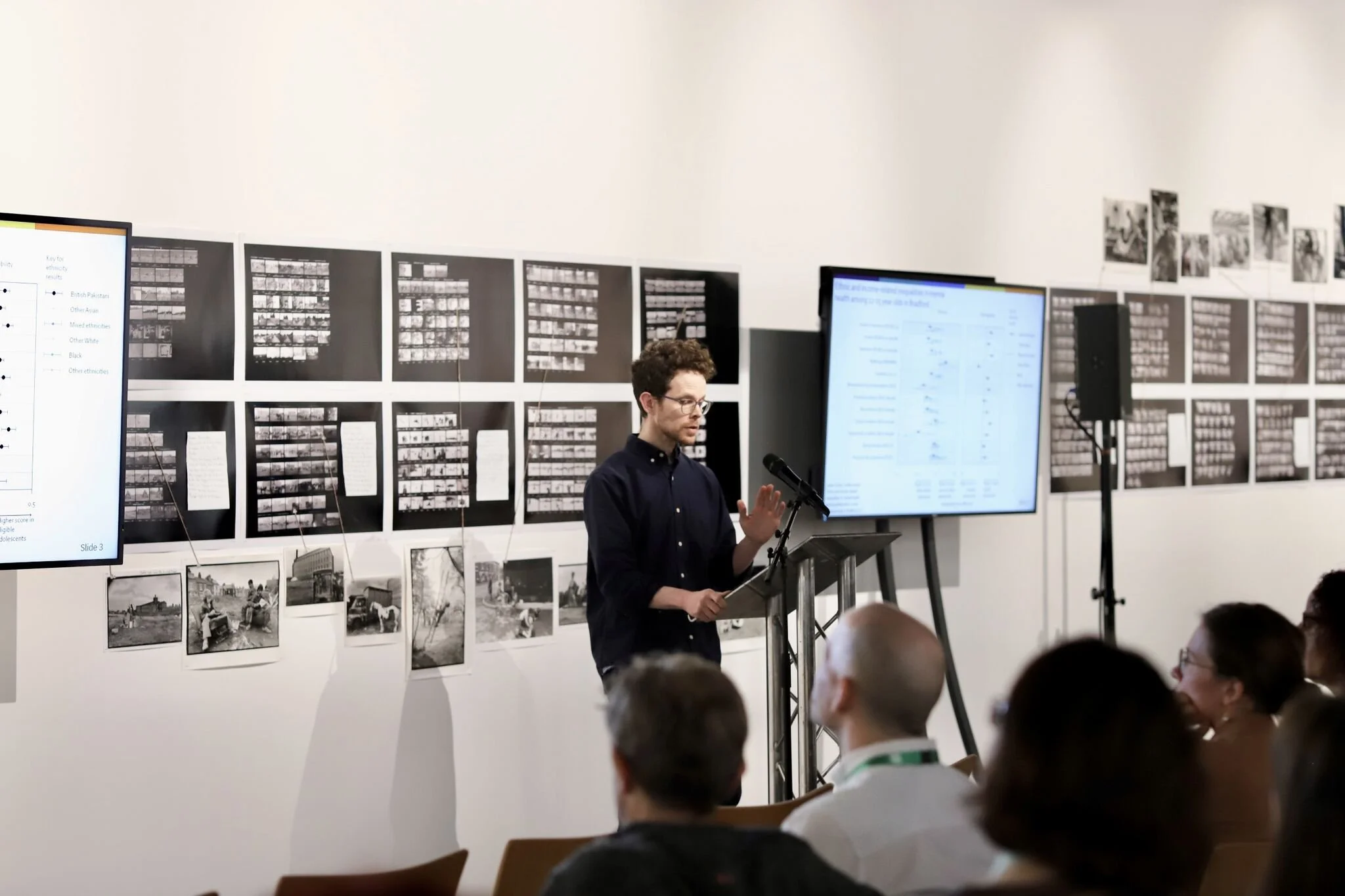
On 24th March, AIM Bradford, Born in Bradford, and the NIHR Applied Research Collaboration Yorkshire and Humber hosted a vibrant and collaborative event at Salts Mill, bringing together over 80 participants from across research, the NHS, the voluntary sector, and community organisations. We also welcomed staff from local universities, colleagues from other regions of the UK, and public representatives, which created a diverse audience with a shared interest in improving young people’s mental health.
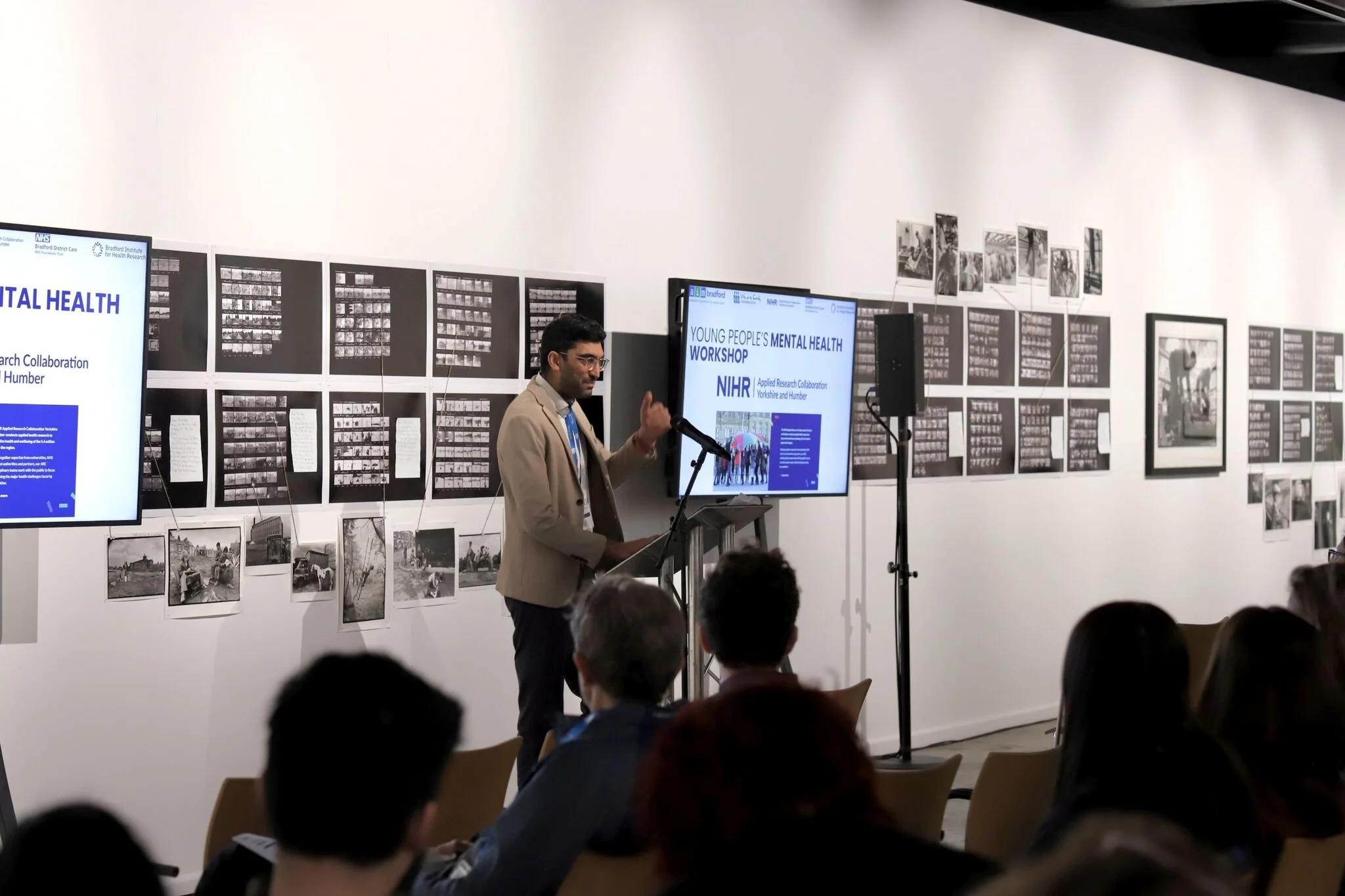
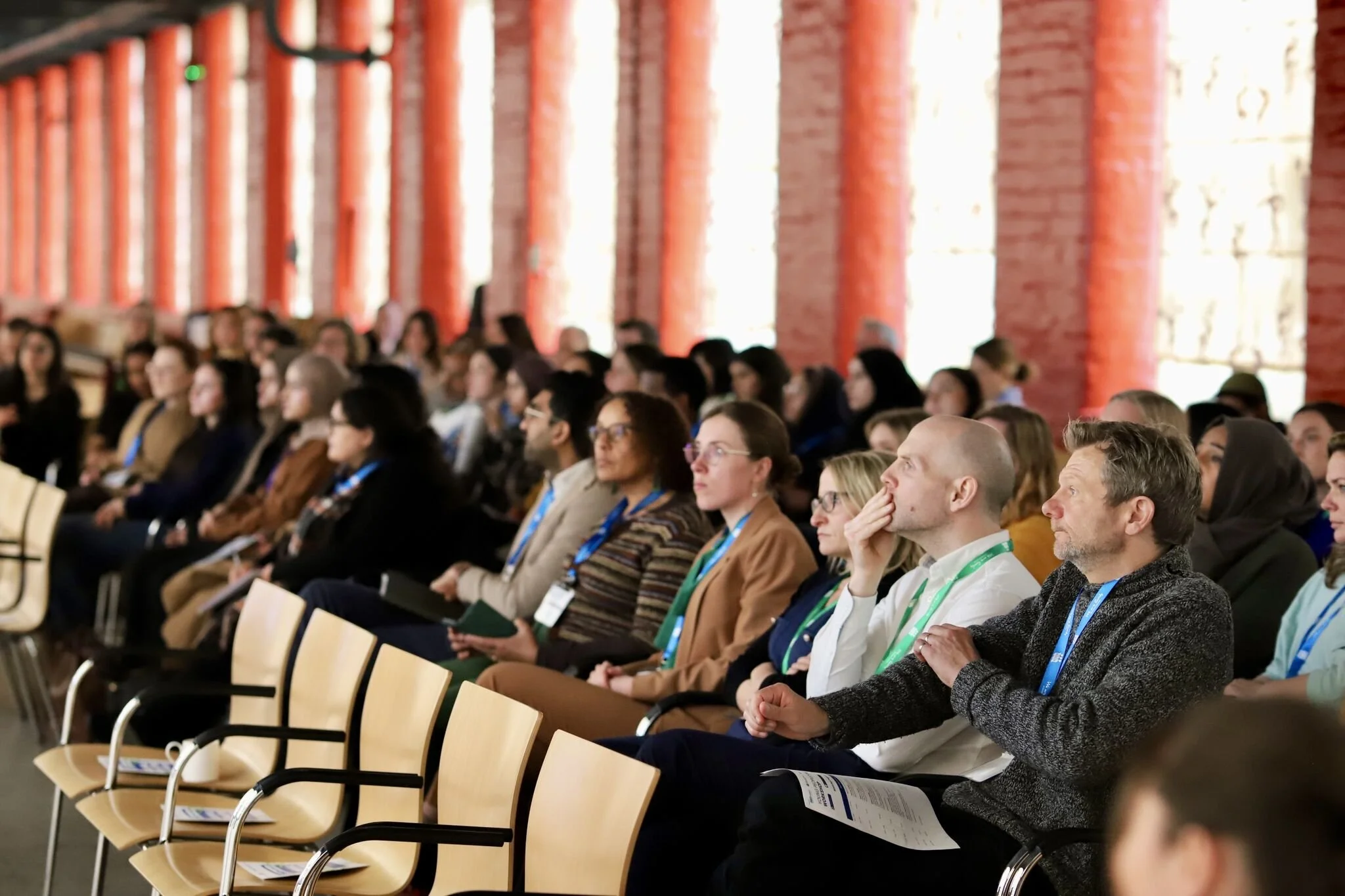
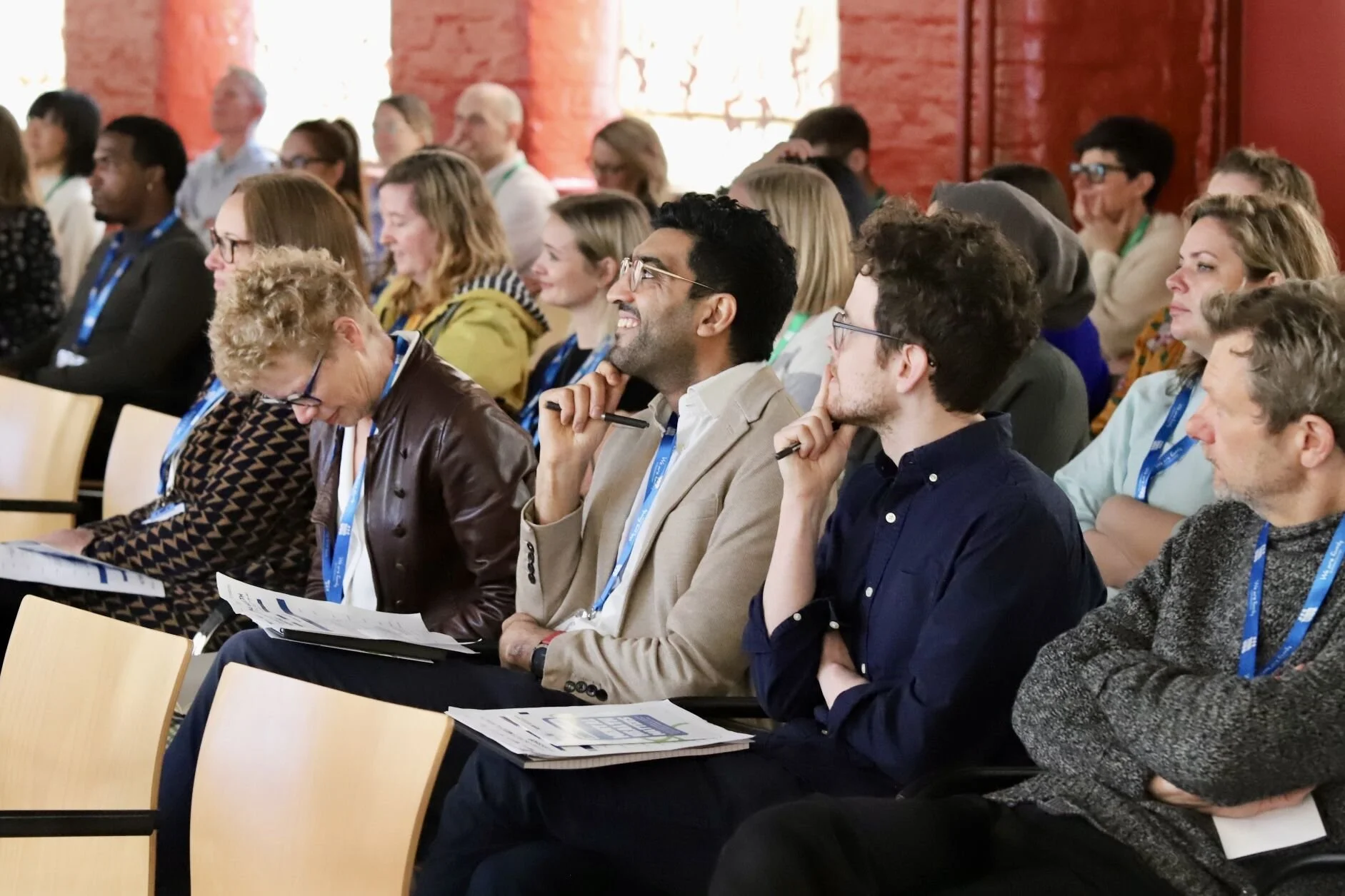
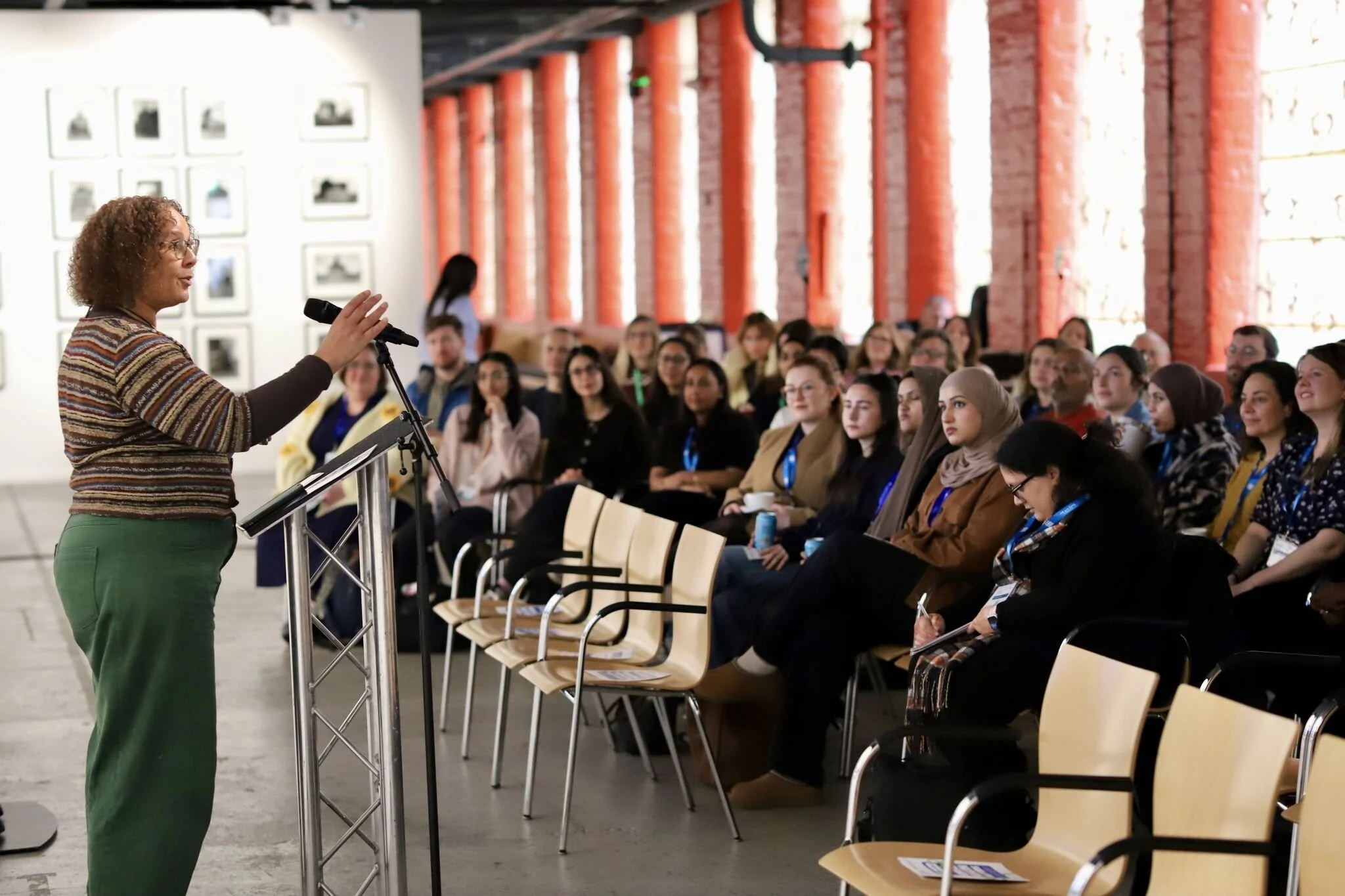
The day began with an inspiring keynote from Professor Helen Minnis, whose talk resonated across all sectors. Helen engaged this varied audience without oversimplifying complex ideas or limiting accessibility to those in academia. She set the tone for the day, grounded in both scientific evidence and real-world relevance.
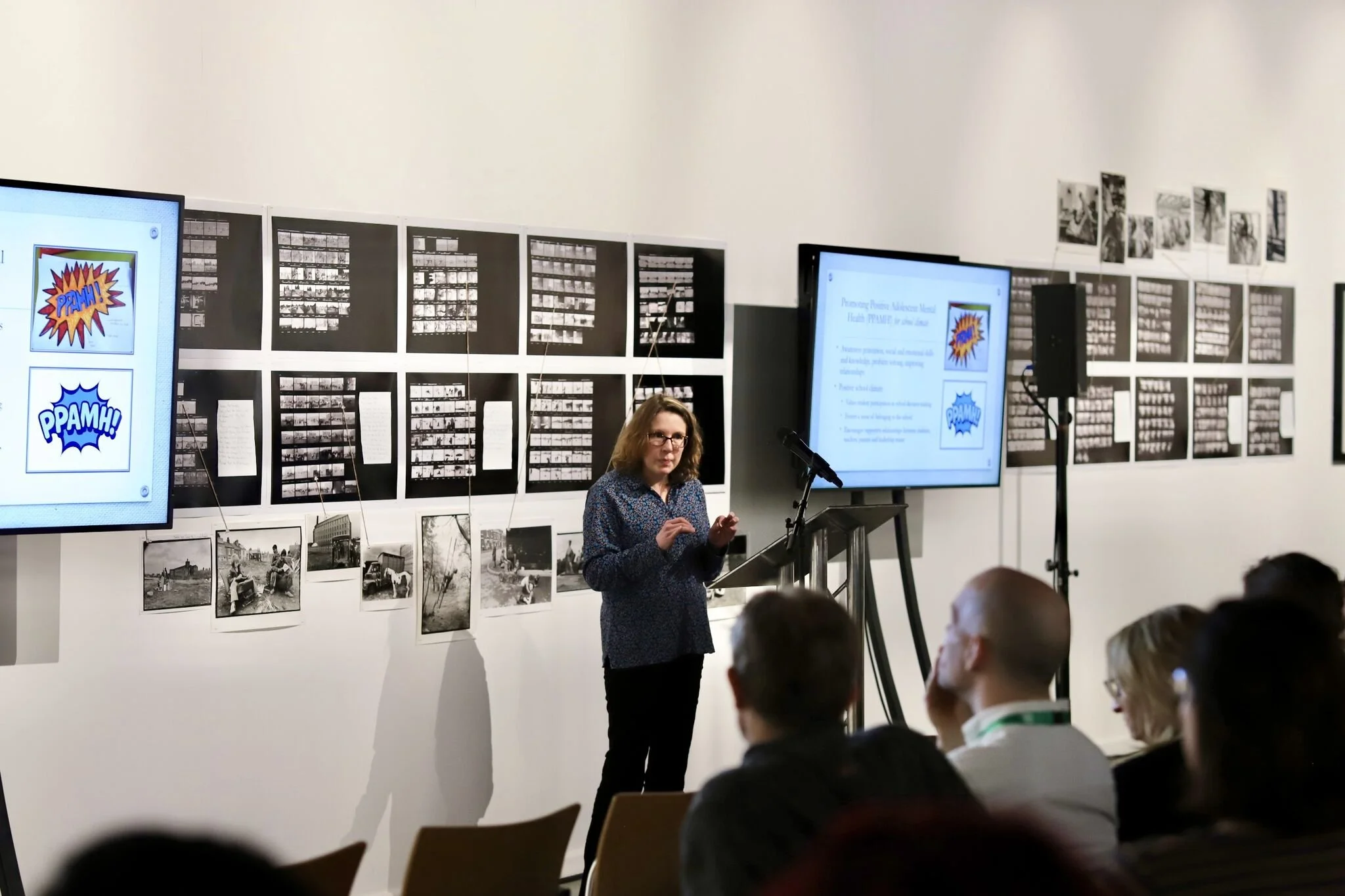
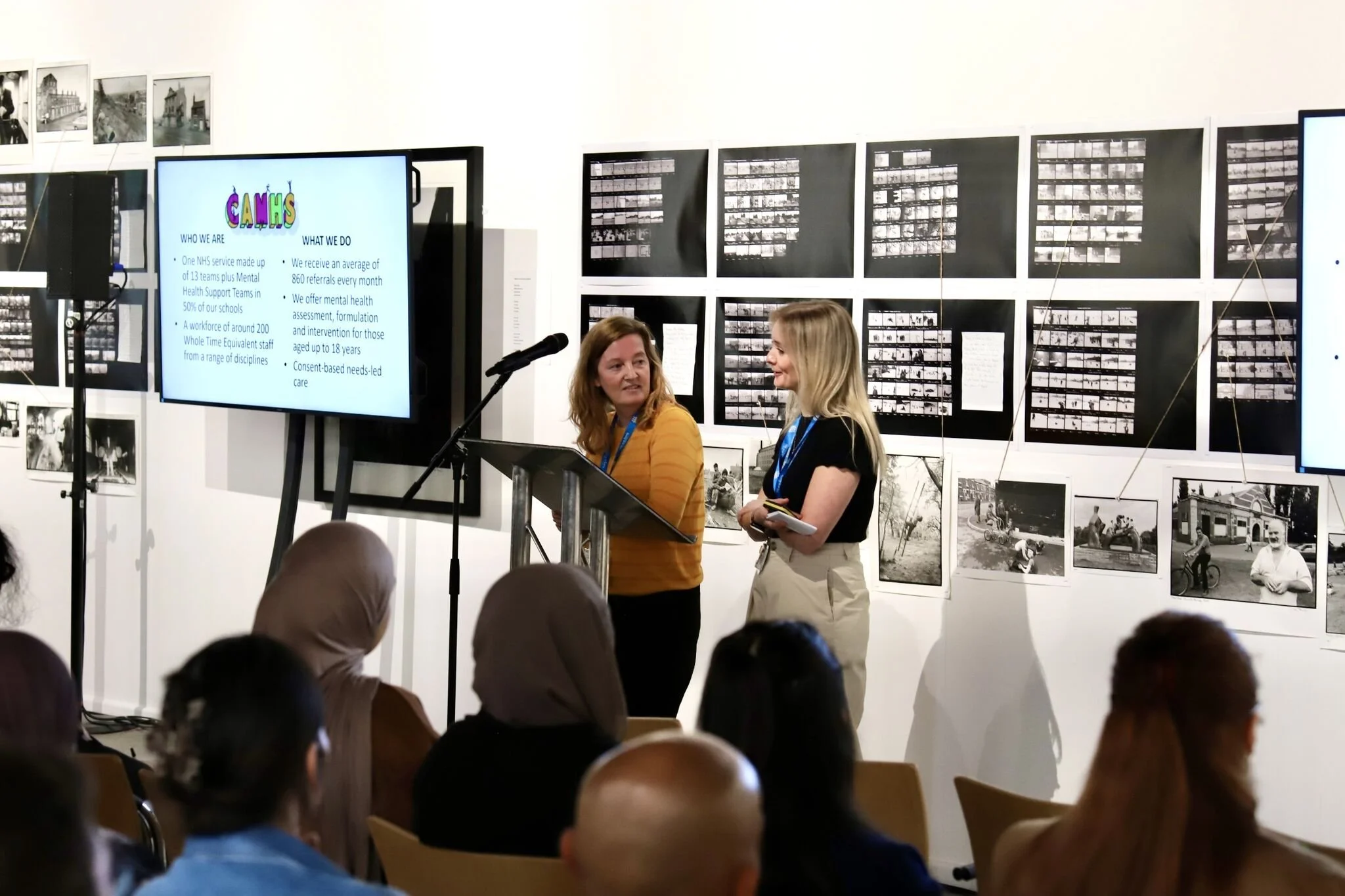
This was followed by a session on clinical priorities for adolescent mental health in Bradford, delivered by Eleanor Hinchcliffe and Cathryn Daley-McCoy from Bradford District Care NHS Foundation Trust. They highlighted current challenges and priorities within local services, and shared future steps and actions to improve services.
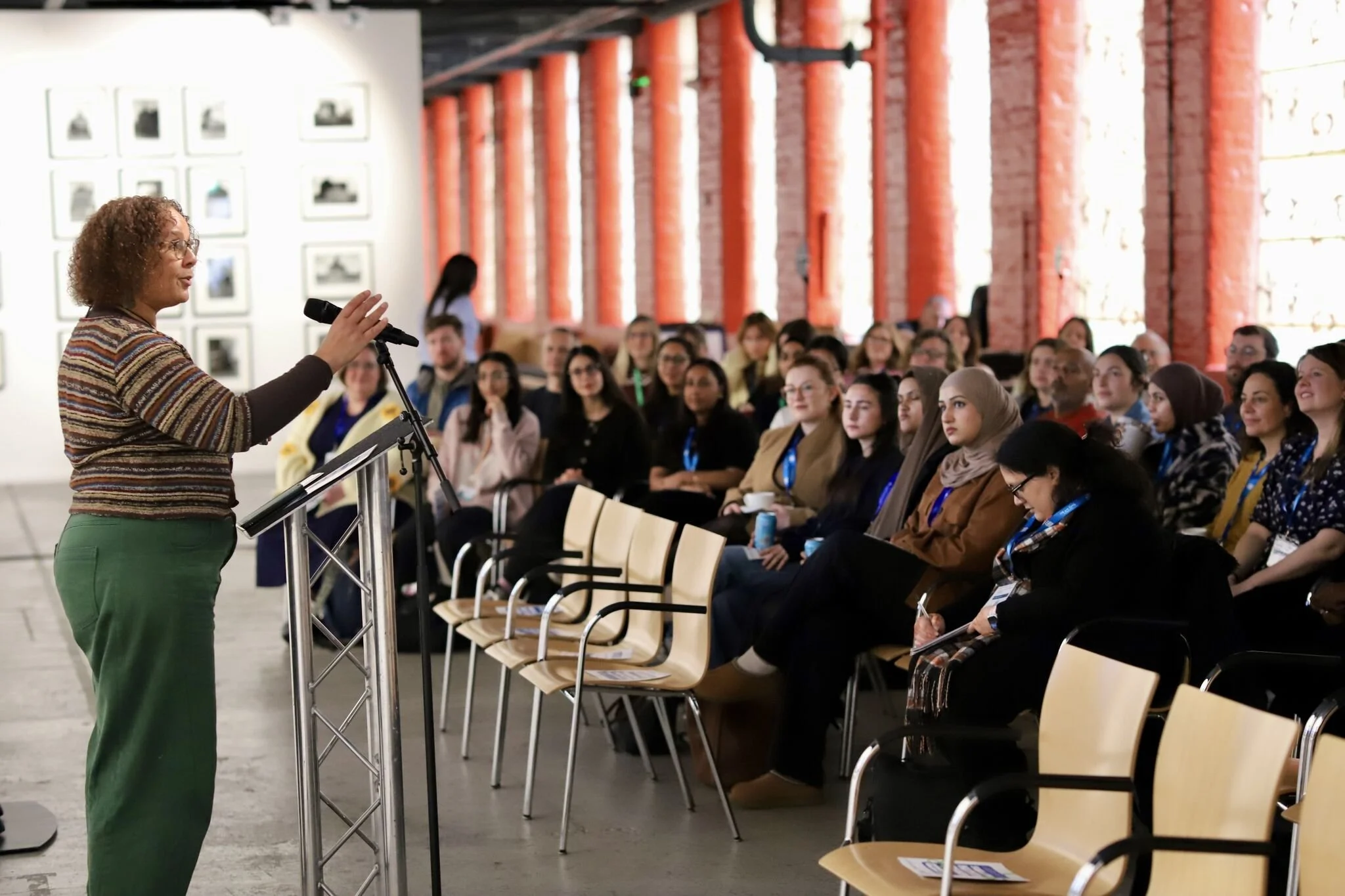
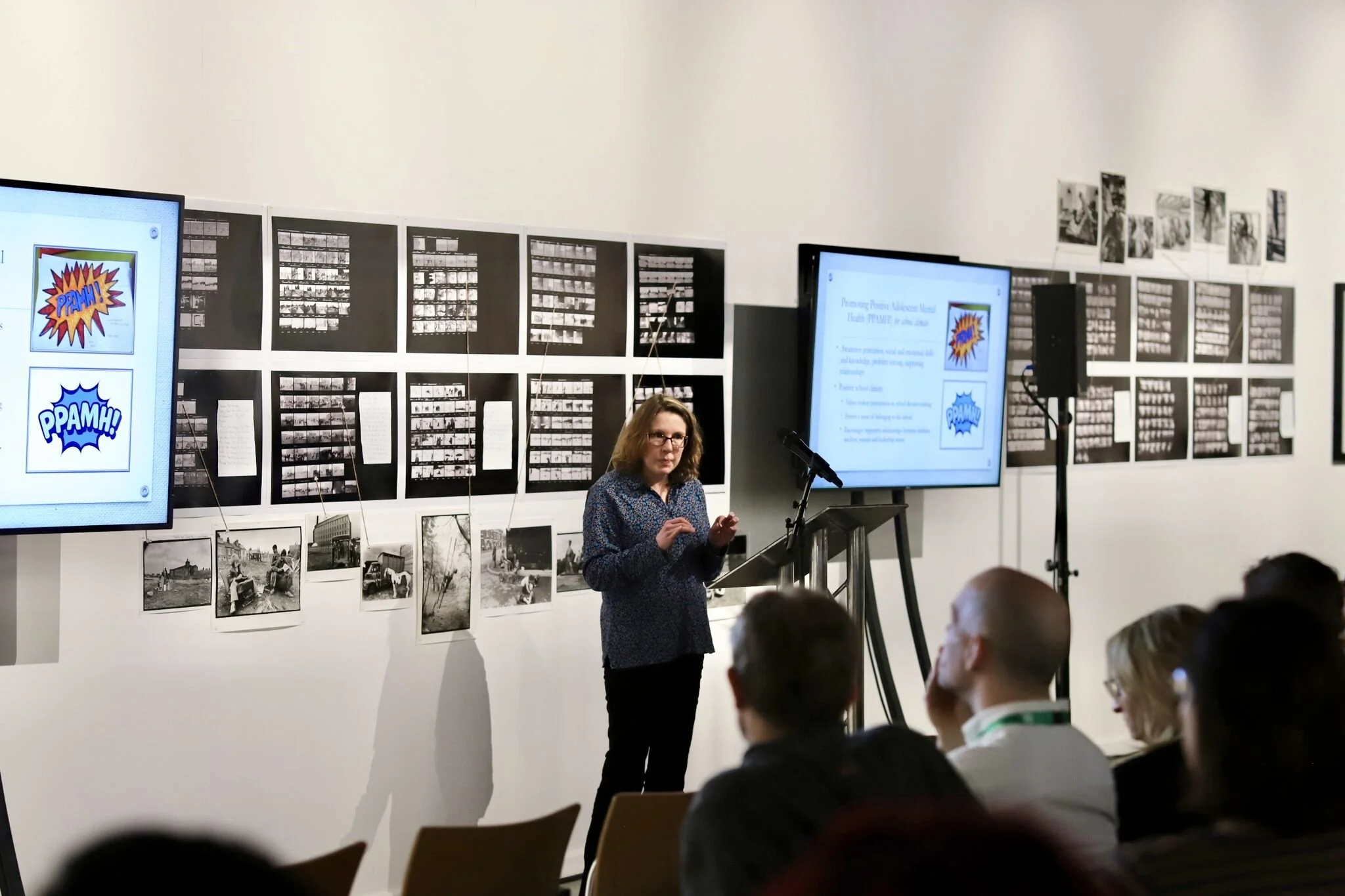
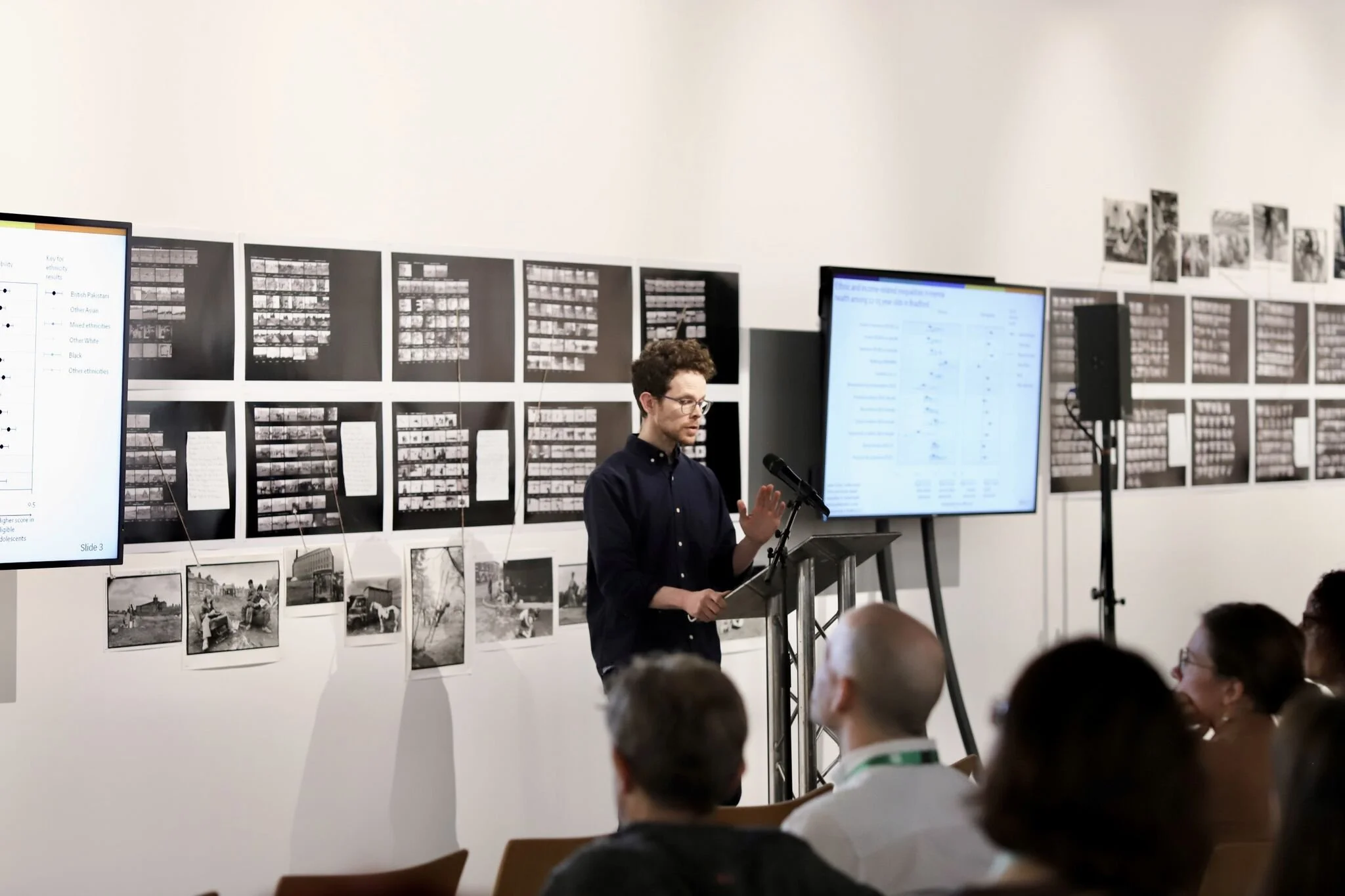
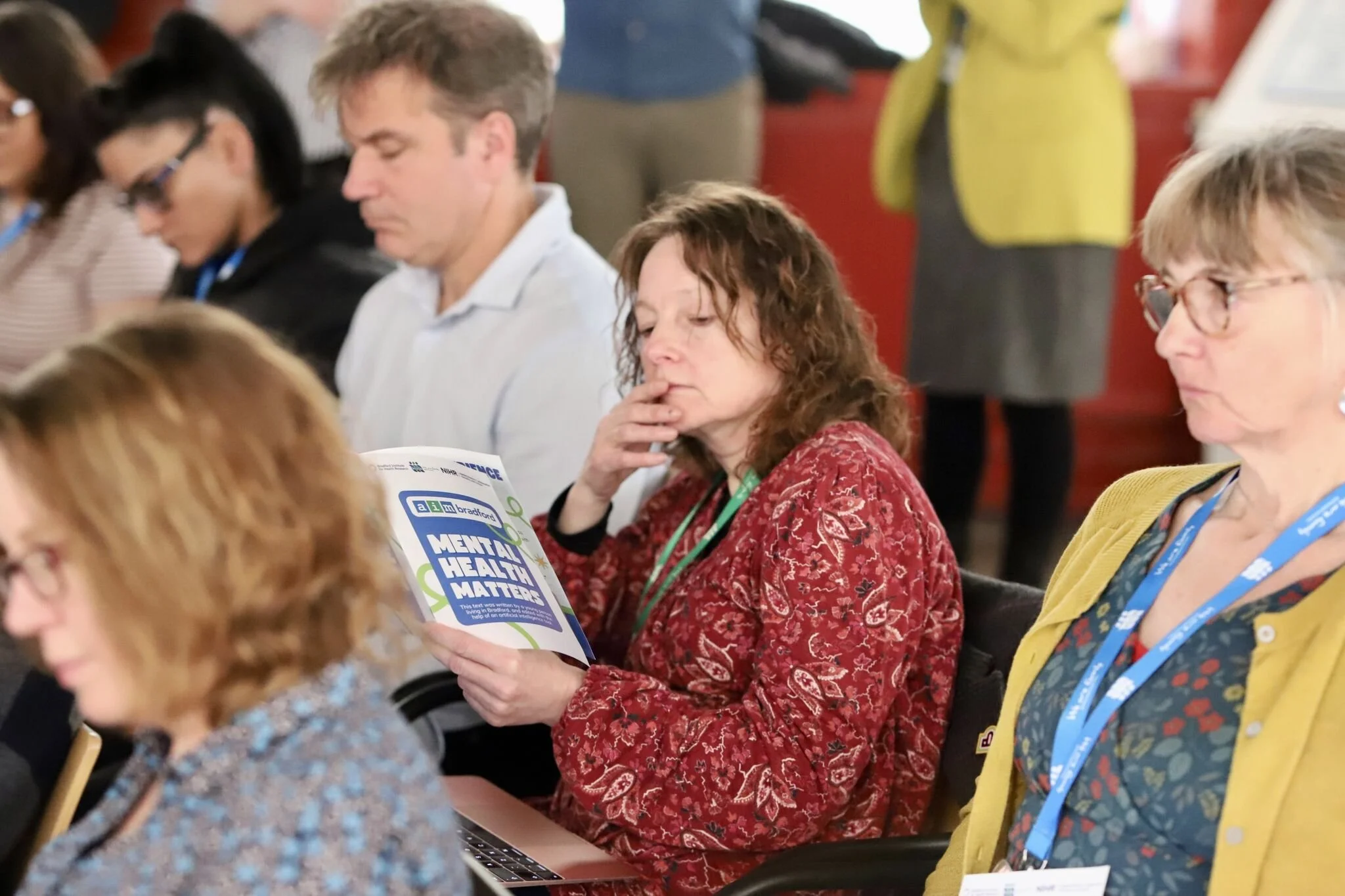
The focus then shifted to ongoing research in Bradford. Our Co-Investigators for AIM, Ruth Wadman and Dan Lewer, presented an overview of adolescent mental health research programmes, trials and epidemiological work. They showcased the strength of Bradford’s data infrastructure, drawing on findings from the Age of Wonder cohort and other locally embedded projects. These programmes are creating evidence to inform preventative strategies and more effective approaches to support young people’s mental health.
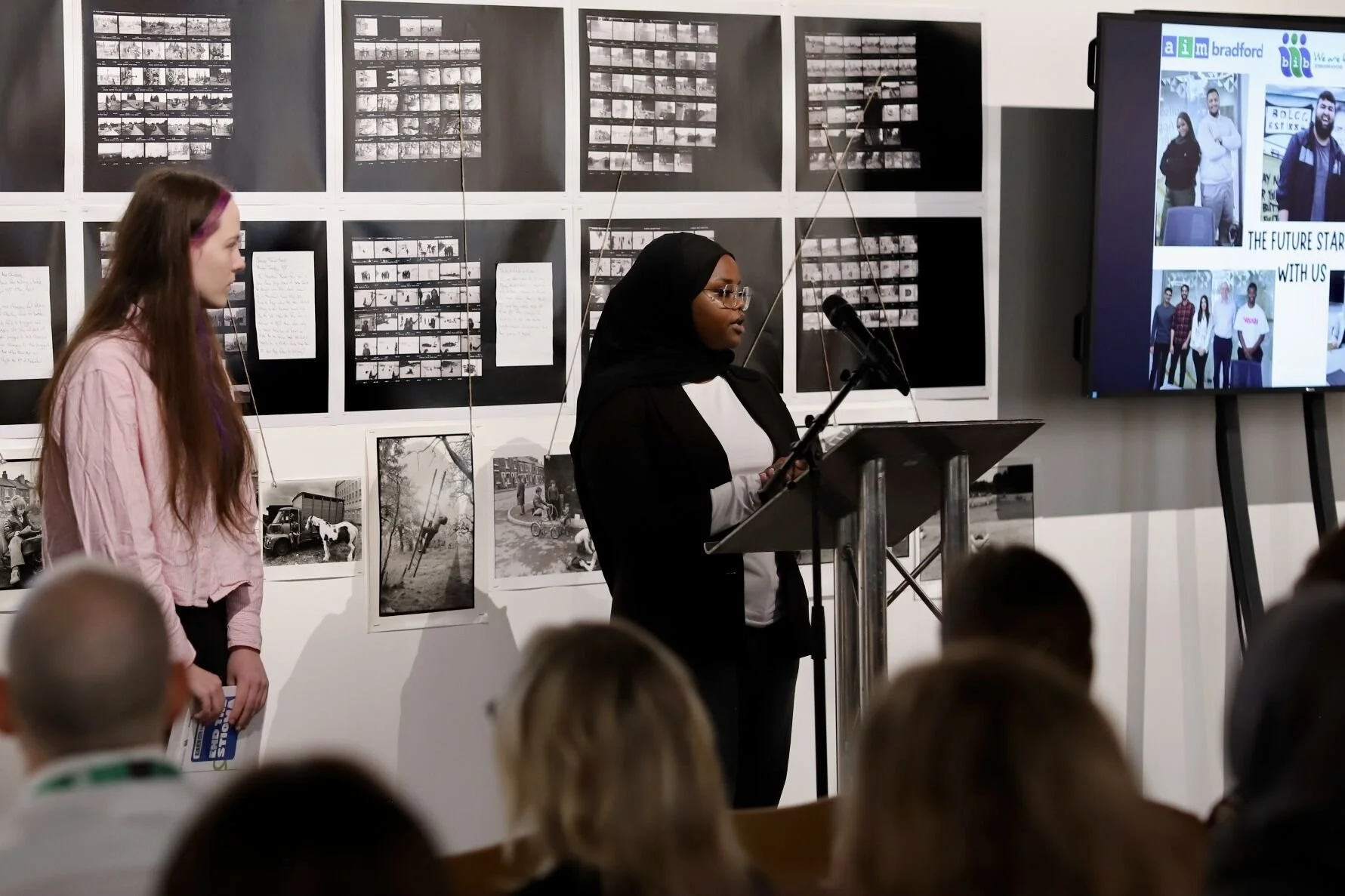
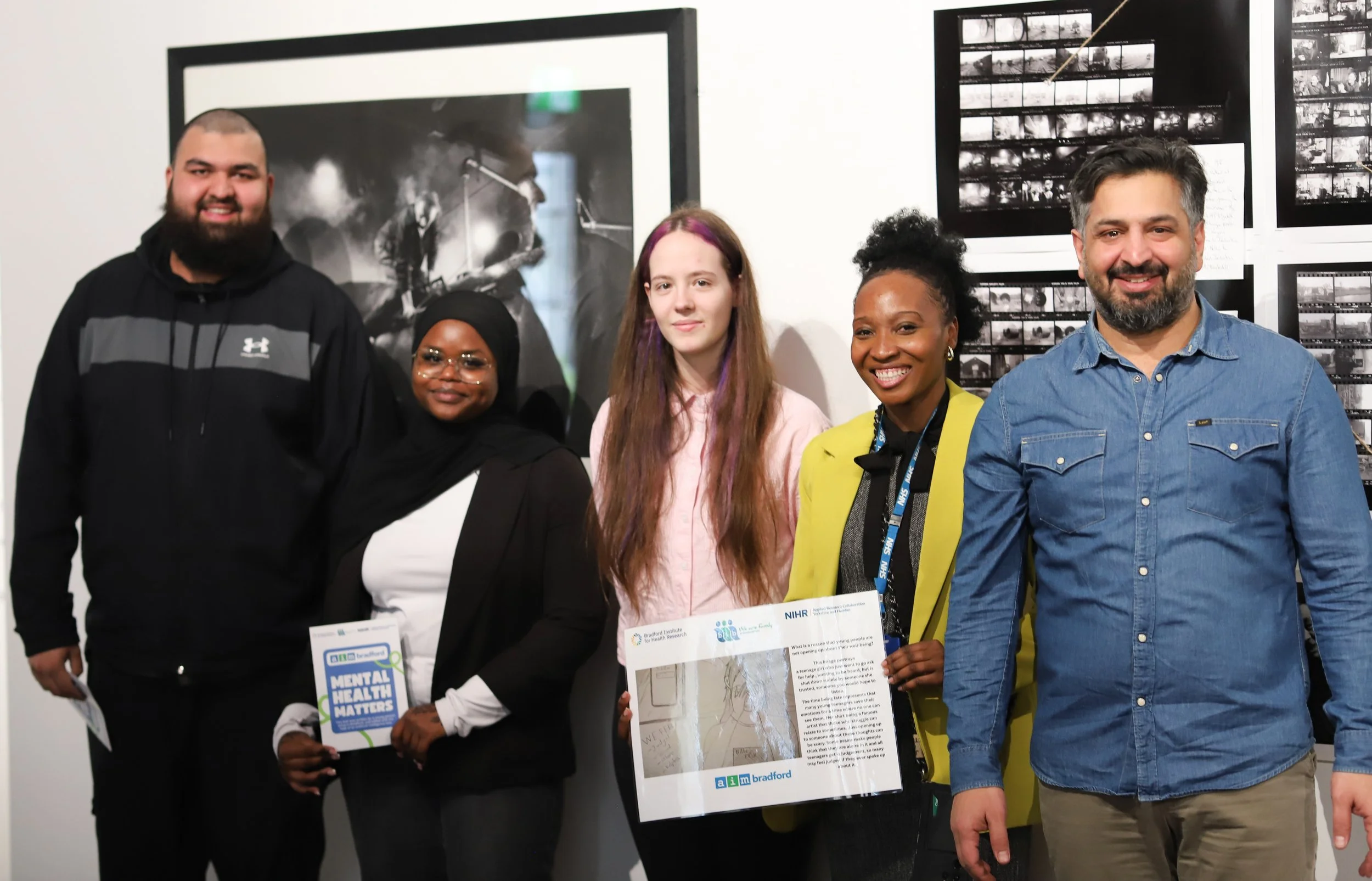
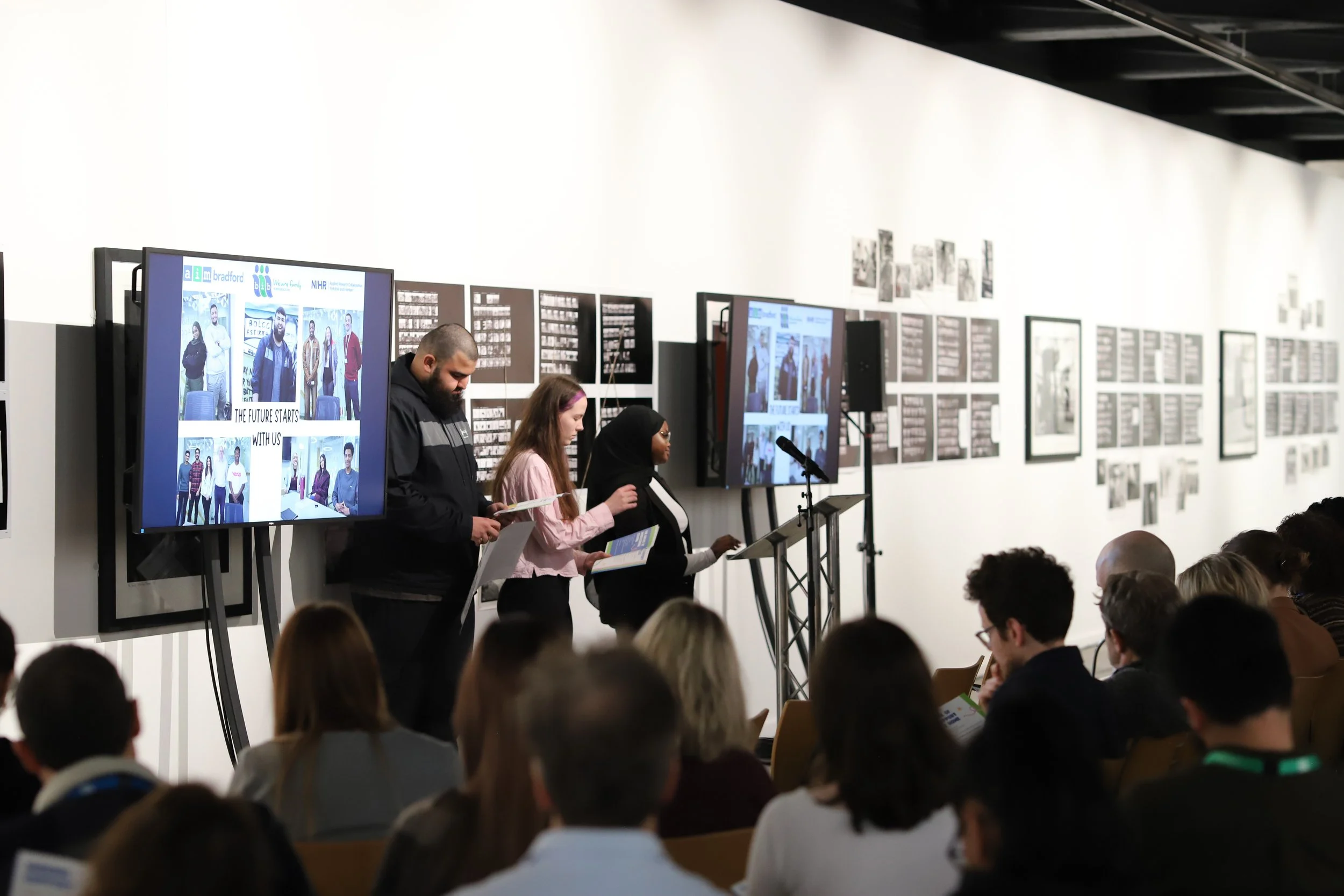
A powerful session followed, led by four young people from the AIM Bradford steering group, The Future Starts With Us. Through poetry, artwork, and personal reflections, they shared their perspectives on mental health. Their thoughtful, honest, and impactful work, generated great discussions with the audience about both lived experience and the current state of mental health support for young people.
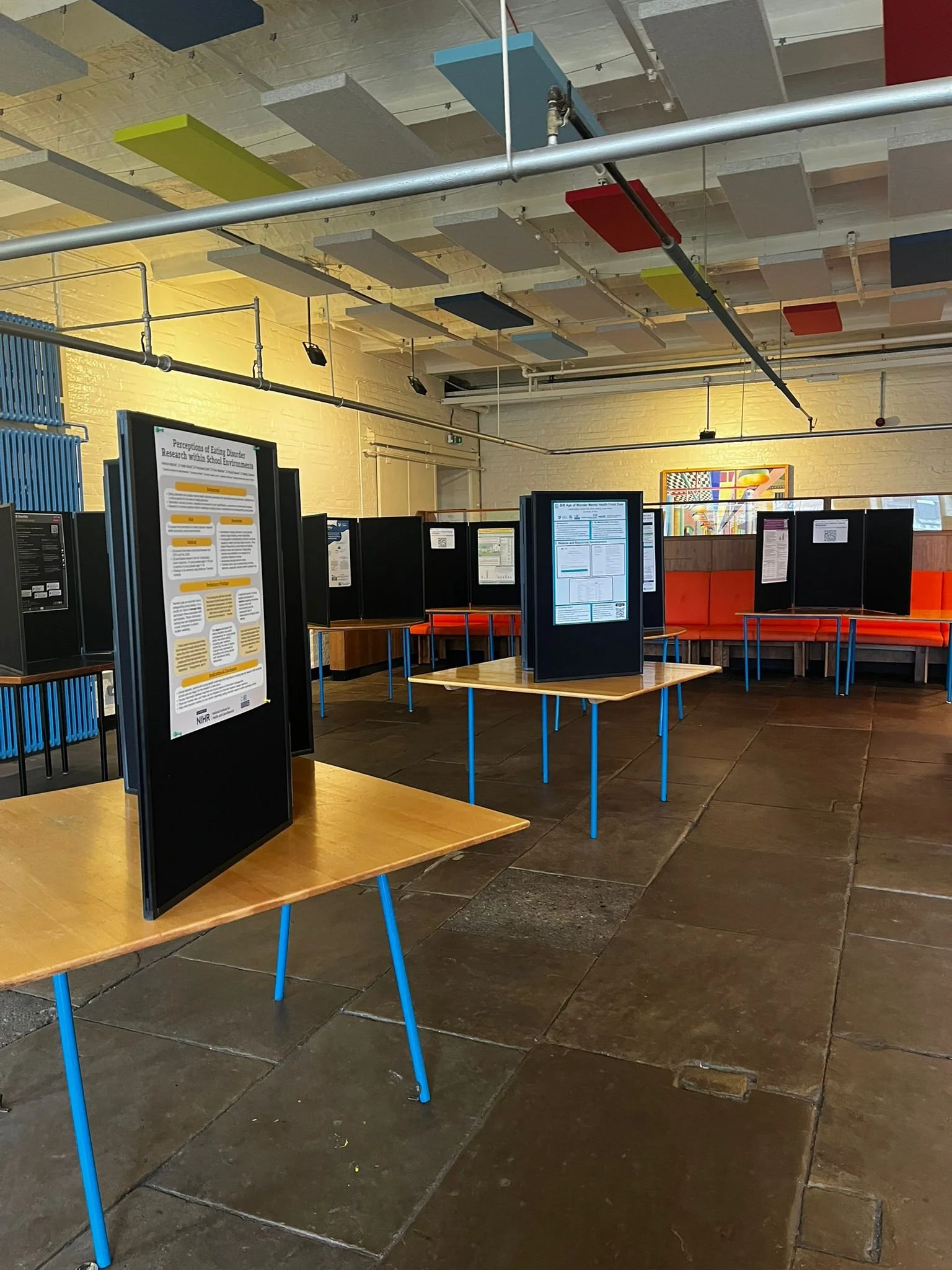
In the afternoon, attendees explored research posters presented by research fellows and PhD students from the Bradford Institute for Health Research, the University of Bradford, and the University of York. This session was a great opportunity to showcase emerging research and to promote discussions between researchers and practitioners.
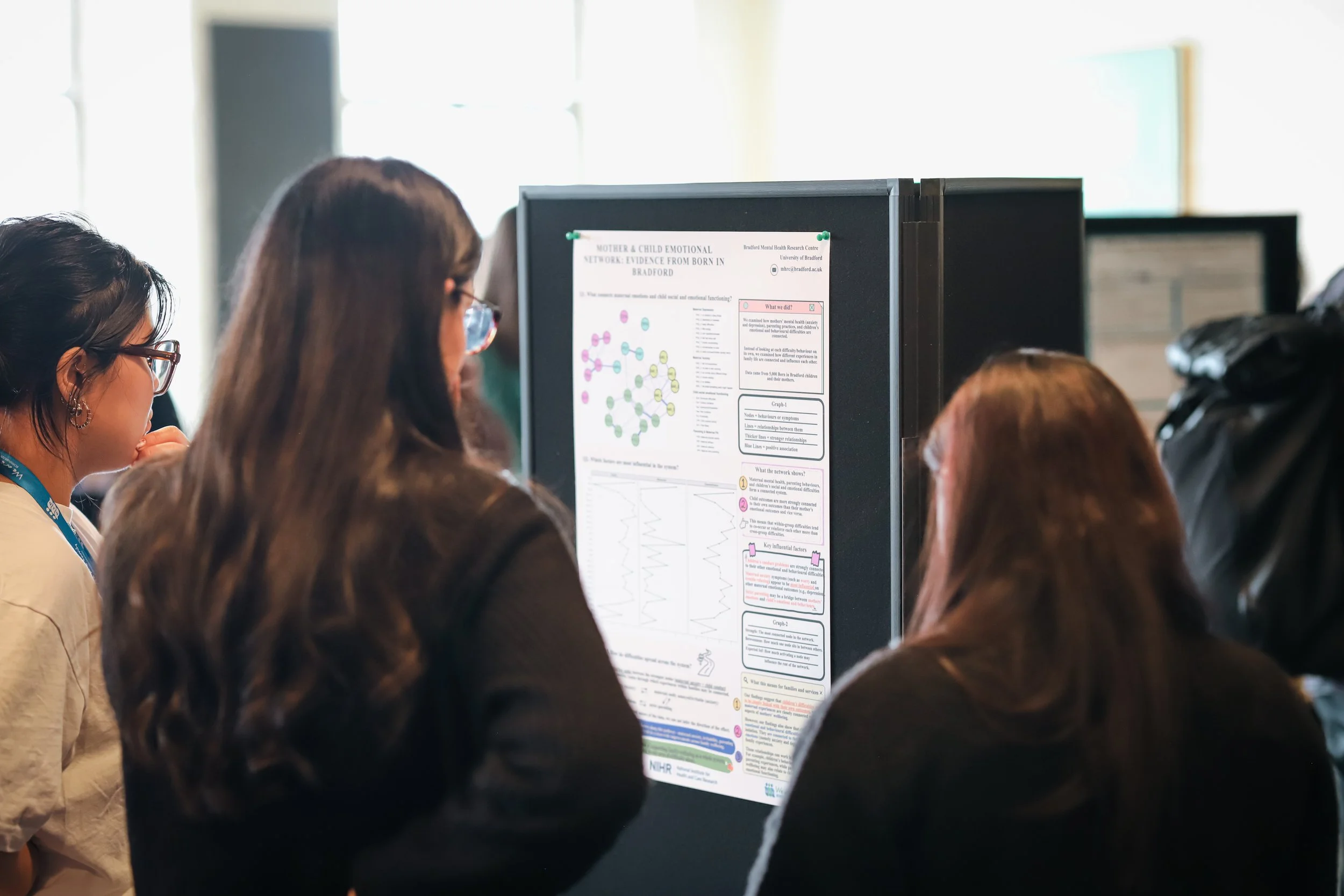
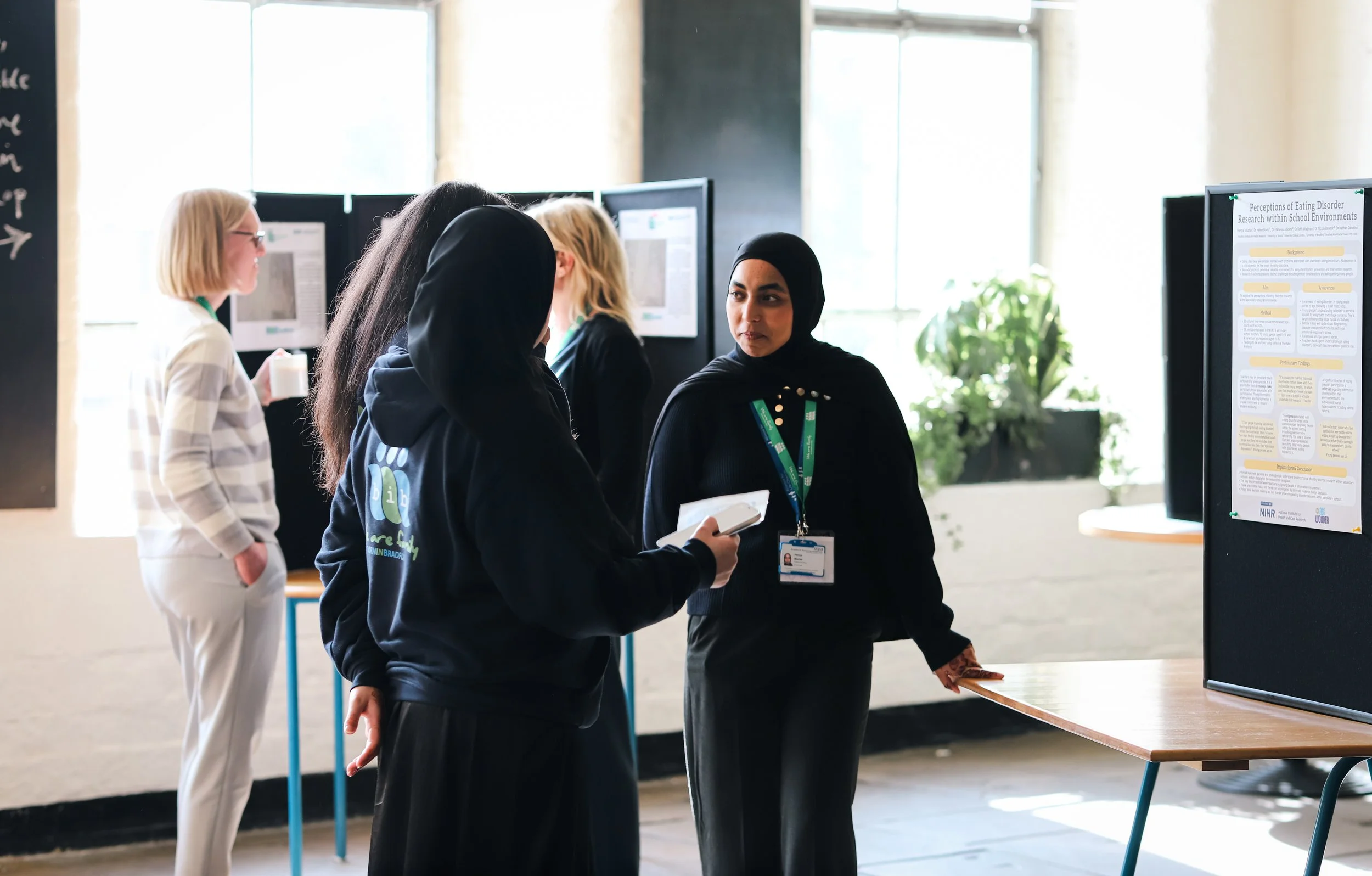
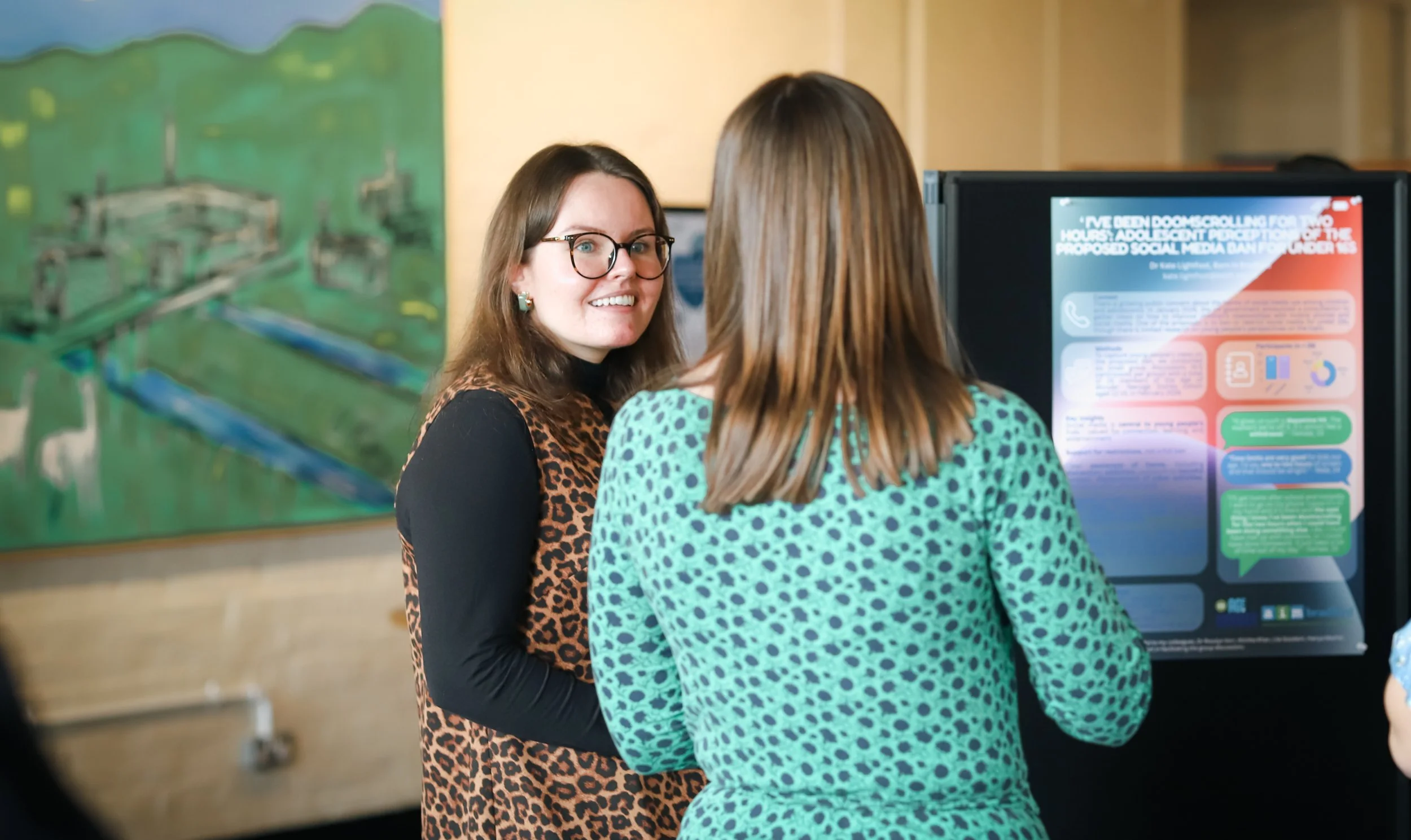
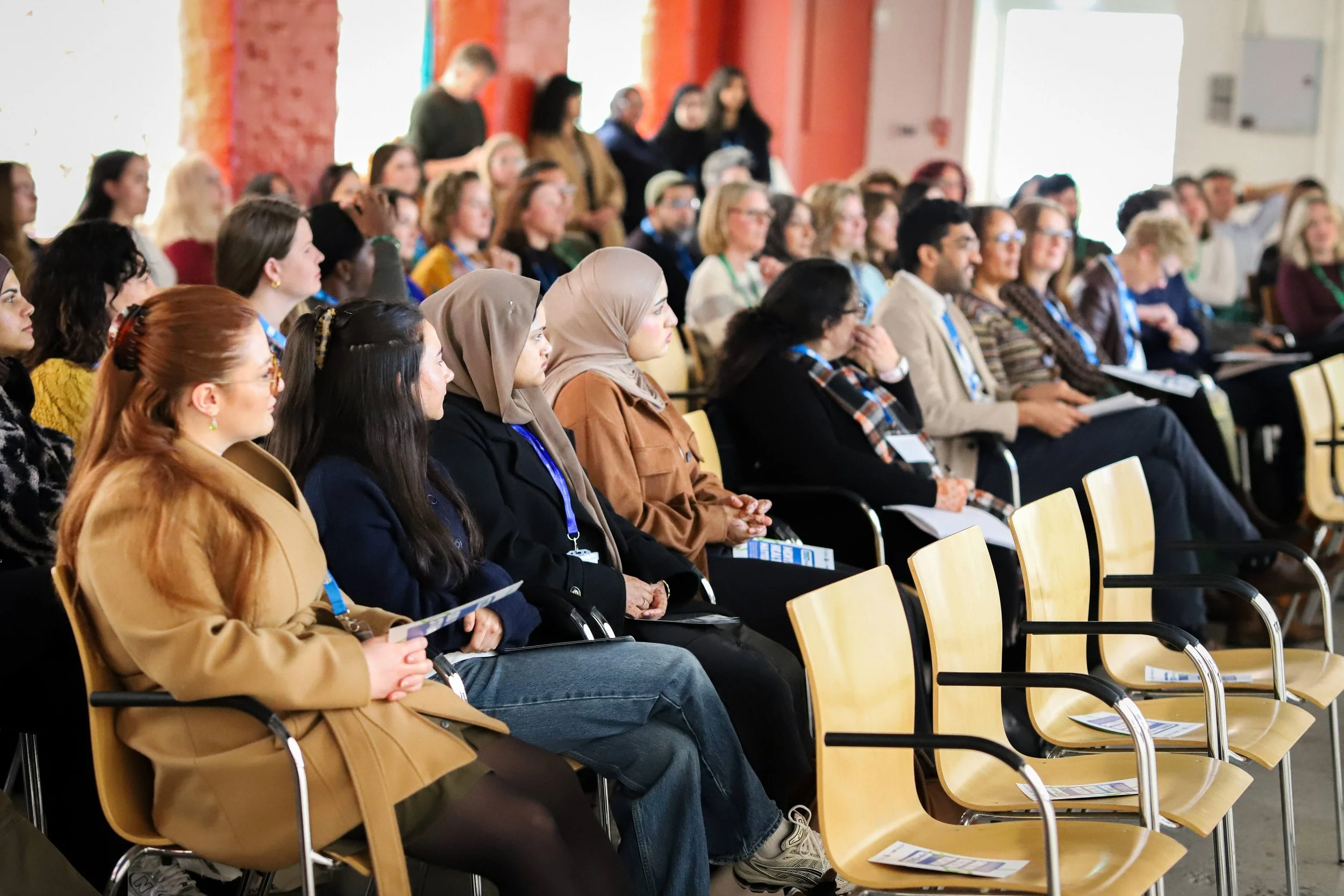
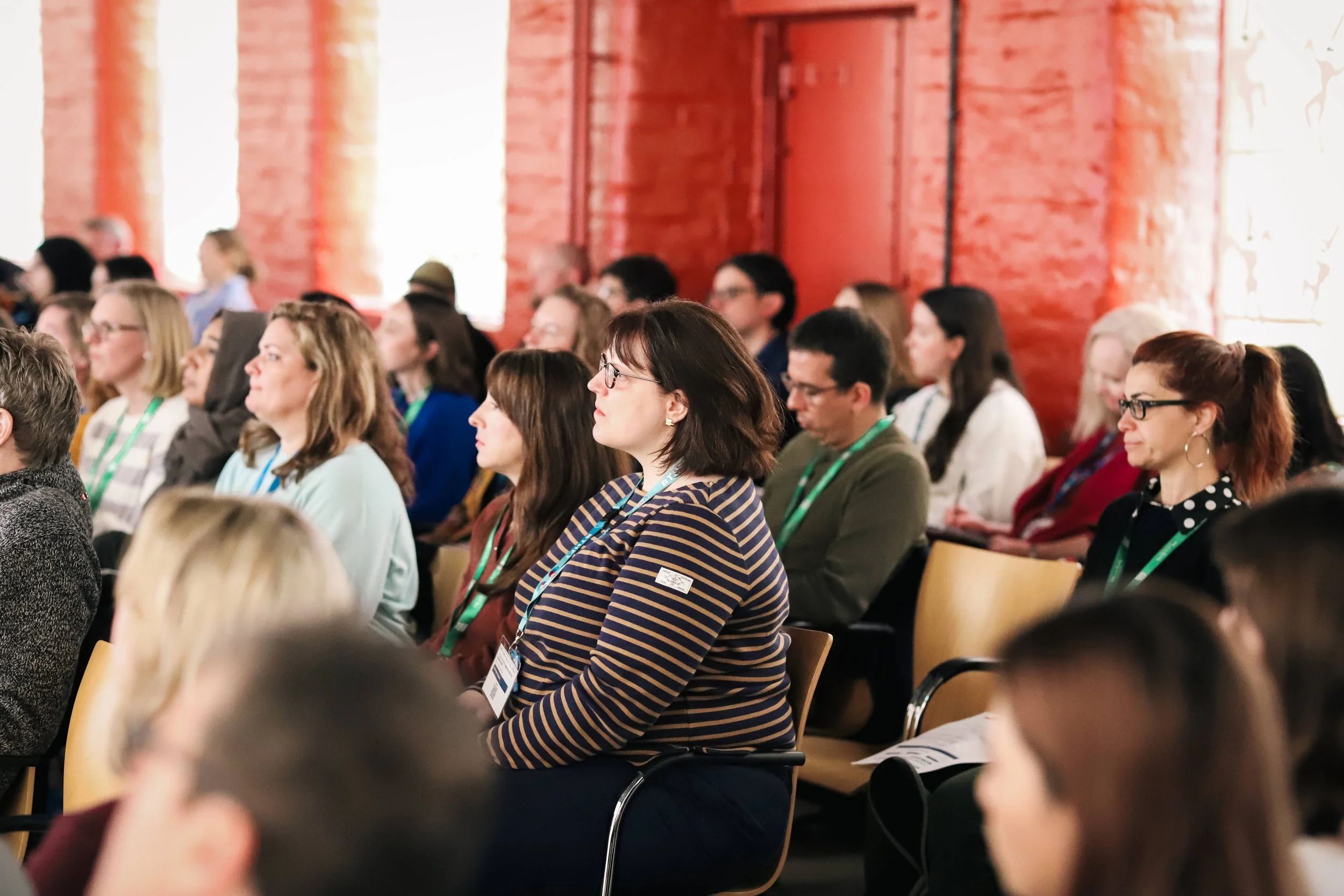


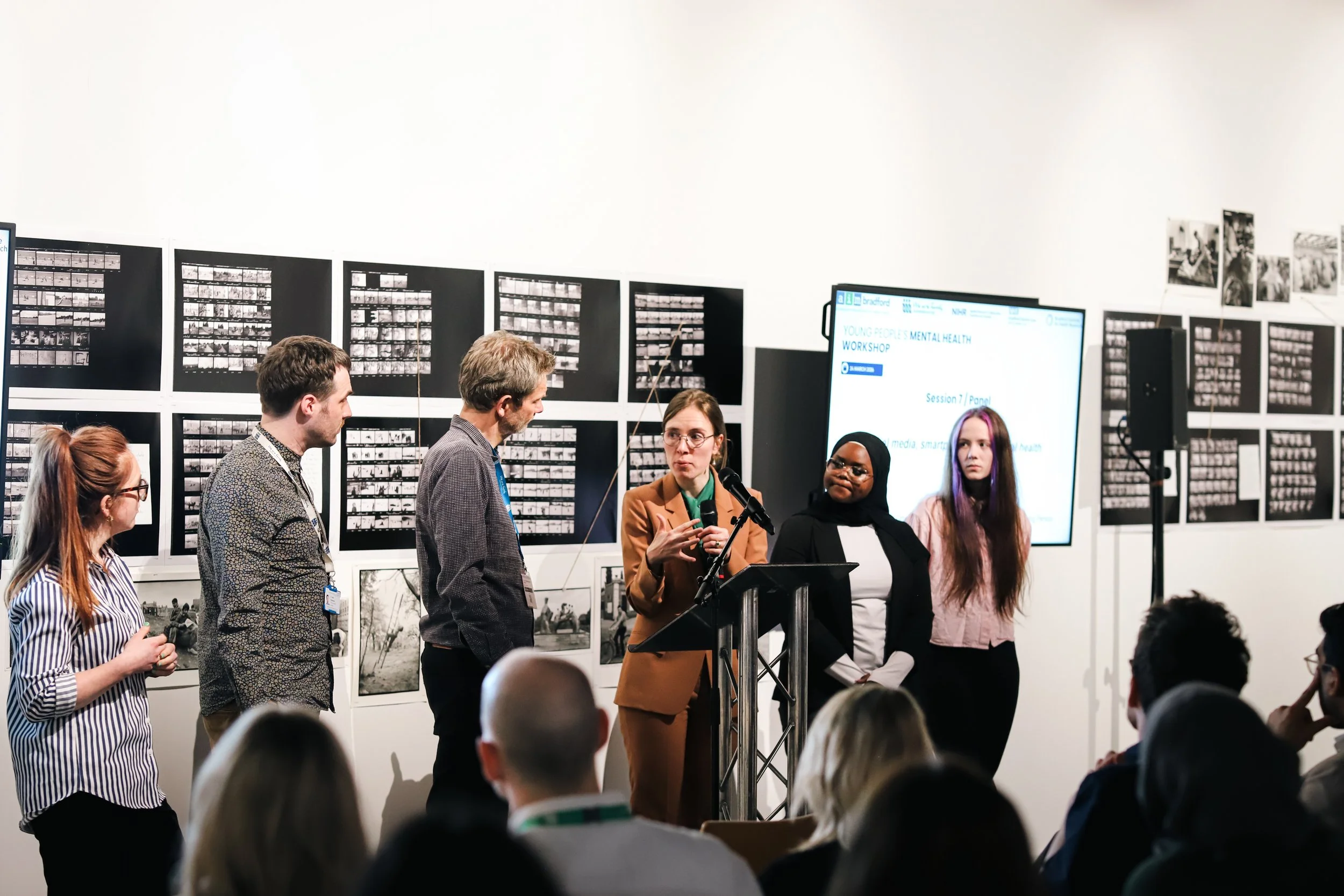
The programme then moved into a panel discussion chaired by Matthias Pierce with the question: Are mental health problems increasing in teenagers? Community practitioners from the HALE Project (focused on social prescribing for young people), Youth in Mind, and local schools shared their perspectives. The discussion highlighted the complexity of this issue, and emphasised both increased awareness and service demand, alongside the need for coordinated, community-based responses.
The keynote session by Professor Amy Orben provided a compelling exploration of digital technologies and their impact on young people’s mental health. Drawing on her experience advising policymakers, she reflected on the challenges of generating and interpreting evidence in this rapidly evolving area, and the importance of research to guide policy and practice in mitigating potential harms associated with social media and digital exposure.
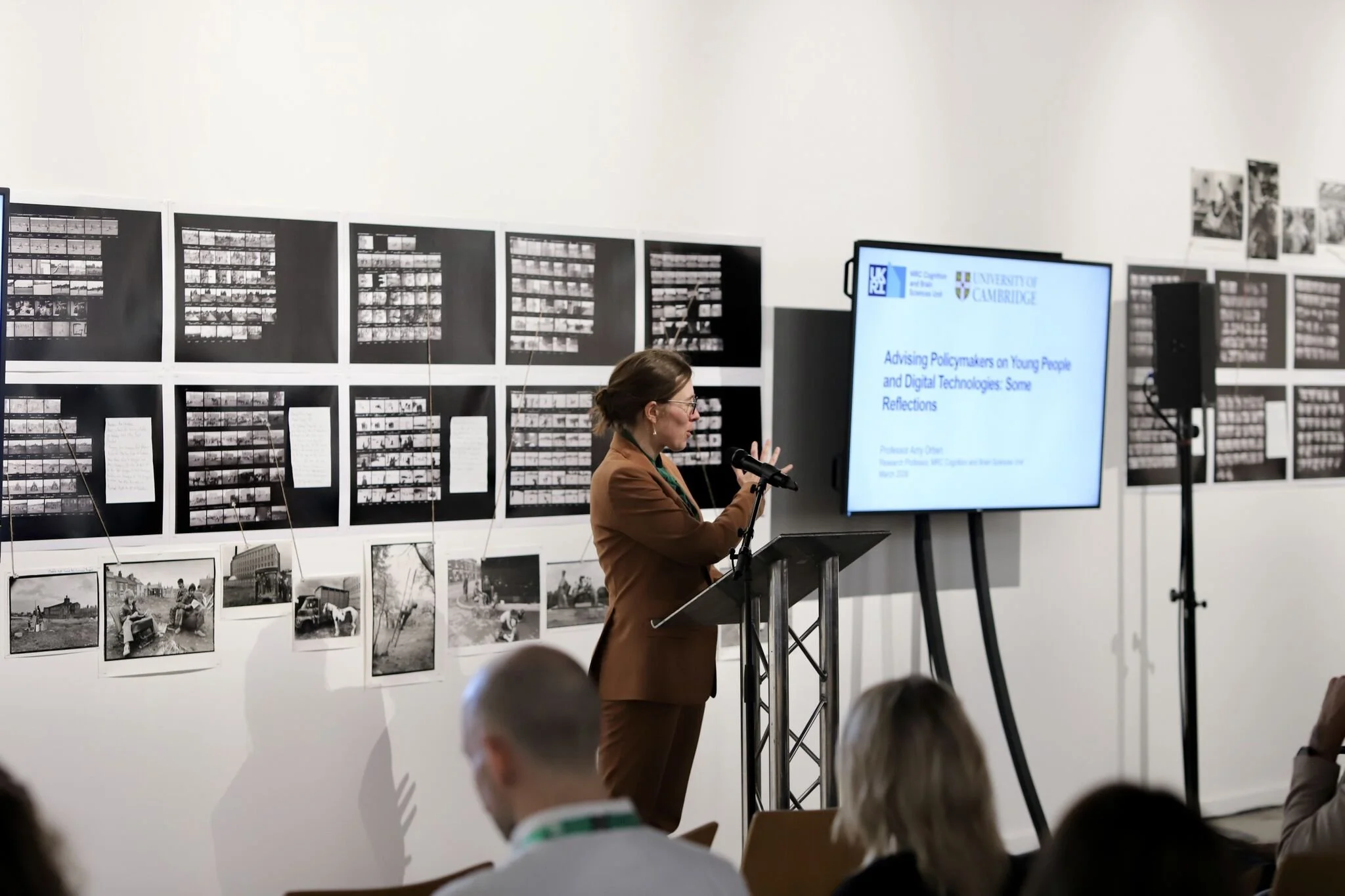
This theme continued in the final panel discussion, which brought together Professor Amy Orben, John Pickavance, Megan Wood and representatives from the young people’s panel. The conversation explored the relationship between smartphones, social media, and mental health, and the urgent need for balanced, evidence-informed actions and participation of young people in shaping solutions.
A big thank you to everyone who took part and helped make this such a incredible and collaborative day!
Dan, Ruth, Ellen & Carolyn